Employee Medical Benefits in 2024: Trends, Costs & Technology Solutions
How Malaysian corporates are managing rising medical costs through smarter benefits design, digital platforms, and data-driven decision making.
MediLink-Global Corporate Solutions Team
Corporate Health Benefits Advisory
Malaysian employers are facing a dual challenge: medical inflation running at 12–15% annually (significantly above general CPI), and increasing employee expectations for comprehensive, flexible health benefits. The traditional approach of simply increasing insurance premiums each year is no longer sustainable — corporates are demanding smarter solutions.
The Medical Inflation Challenge
Medical inflation in Malaysia is driven by several structural factors: an ageing workforce with higher chronic disease prevalence, rising specialist consultation and surgical costs, increasing utilisation of diagnostic imaging and laboratory tests, and the growing adoption of high-cost medical technologies. For a company with 500 employees, a 12% increase in medical benefits costs can represent RM 300,000–500,000 in additional annual expenditure.
Data-Driven Benefits Design
The most effective response to medical inflation is not blanket cost-cutting but targeted benefits redesign based on utilisation data. MediLink-Global's corporate health analytics platform provides HR and finance teams with detailed visibility into:
With this data, corporates can make evidence-based decisions about benefit design — such as implementing step therapy for chronic medications, introducing co-payments for non-essential services, or redirecting spend toward preventive care programmes with demonstrated ROI.
Technology Solutions for Corporate Health Management
MediLink-Global's Medibridge Corporate platform provides a comprehensive suite of tools for corporate health management:
Digital Benefits Card: Employees access their benefits through a mobile app, enabling cashless treatment at any panel provider. Real-time eligibility verification eliminates manual pre-authorisation delays.
Wellness Programme Integration: The platform integrates with wearable devices and wellness apps to track employee health metrics and reward healthy behaviours with benefits enhancements.
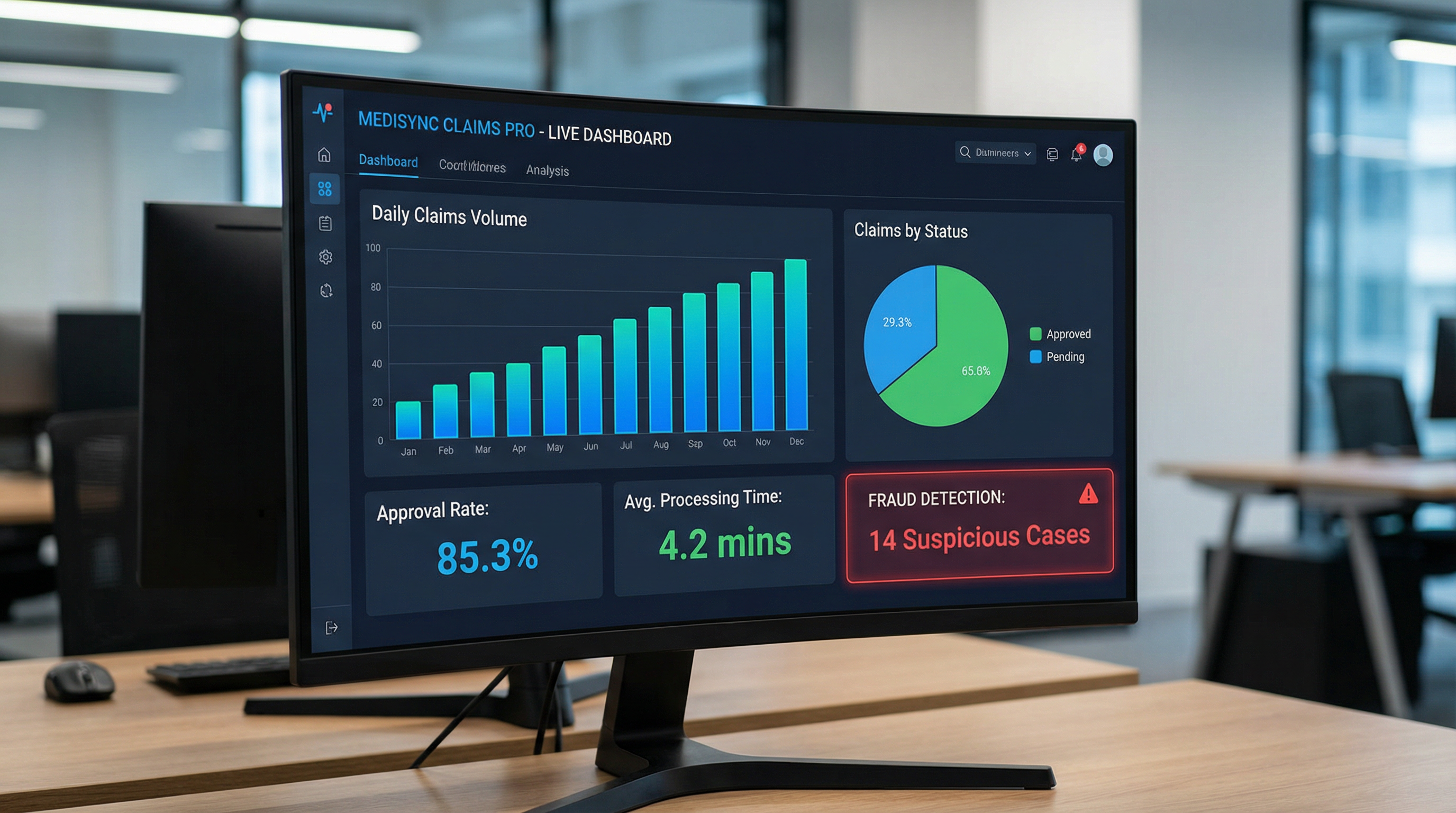
Claims Analytics Dashboard: HR and finance teams have real-time visibility into claims spend, utilisation trends, and cost projections.
Telemedicine Integration: Employees can consult doctors via video call for non-emergency conditions, reducing unnecessary clinic visits and associated costs.
ROI of Digital Corporate Health Management
Corporates implementing MediLink-Global's platform typically achieve: 8–15% reduction in total medical benefits spend through better utilisation management; 25–40% reduction in HR administrative time for benefits management; 15–20% improvement in employee satisfaction with health benefits (measured through annual surveys); and 5–10% reduction in absenteeism through better access to preventive care.
For a company spending RM 5 million annually on employee medical benefits, a 10% reduction represents RM 500,000 in annual savings — typically a 3–5x return on the platform investment.
The Future of Corporate Health Benefits in Malaysia
Looking ahead, we expect three major trends to shape corporate health benefits in Malaysia: (1) personalisation — benefits tailored to individual employee health profiles and preferences; (2) prevention focus — shifting spend from treatment to prevention through wellness programmes and early intervention; and (3) mental health integration — recognising that mental health is a significant driver of absenteeism and productivity loss, and integrating mental health support into benefits programmes.
Key Takeaways
- Medical inflation in Malaysia runs at 12–15% annually, significantly above general CPI
- Data-driven benefits redesign can reduce medical spend by 8–15% without cutting coverage
- Digital benefits platforms reduce HR administrative time by 25–40%
- Prevention-focused benefits programmes deliver measurable ROI through reduced absenteeism
Interested in implementing these insights?
Request a Demo